

Best Medical Universities in Georgia are no longer just a top educational destination—they’ve become a dream come true for many Arab students seeking high-quality education at affordable costs.
In an increasingly competitive global race for medical school seats, Georgia stands out with its flexible admission options, international recognition, and safe, student-friendly environment.
In this article, we’ll take you on a comprehensive tour of the leading Medical Universities in Georgia for 2025, including essential details about admission requirements, tuition fees, and each university’s unique advantages. Stay with us to find the perfect university that matches your medical career aspirations.
Top Internationally Recognized Medical Universities in Georgia
If you’re seeking a globally recognized medical education at an affordable cost, here’s a curated list of the best internationally accredited Medical Universities in Georgia.
These institutions welcome thousands of international students each year and stand out for their quality programs, flexible admissions, and international partnerships.
Tbilisi State Medical University (TSMU)
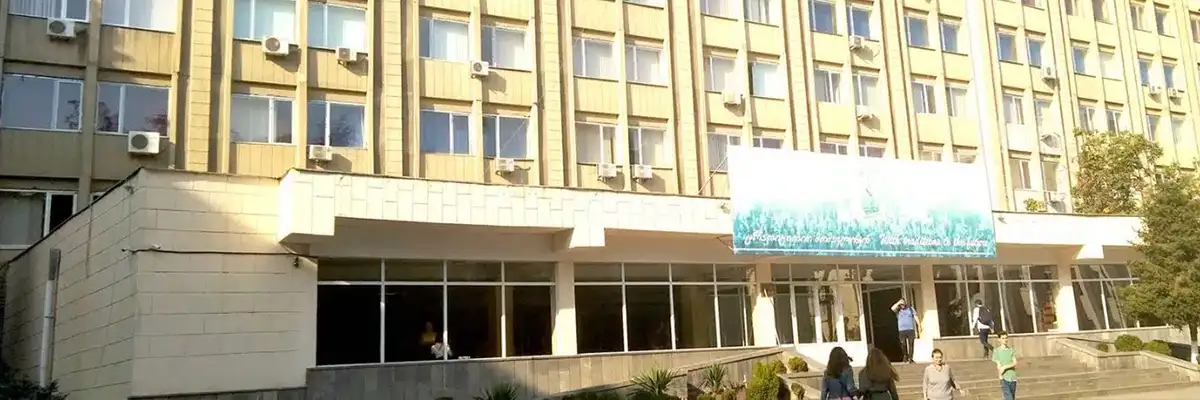
Founded in 1918, Tbilisi State Medical University TSMU is one of Georgia’s oldest and most prestigious medical universities. It offers internationally recognized English-taught programs and graduates thousands of students annually, over 25% of whom are international.
Key programs: Medicine, Dentistry, American MD, Pharmacy, Nursing, and Public Health. Annual Tuition Fees:
- Medicine: $8,000 (6 years)
- Dentistry: $7,000 (5 years)
- American MD Program: $13,000 (6 years)
- Pharmacy: $3,500 (4 years)
- Nursing: $3,000 (4 years)
- Public Health & Administration: $4,000 (4 years)
- Physical Medicine & Rehabilitation: $3,500 (4 years)
TSMU is renowned for its high educational standards, a safe learning environment, and affordable tuition compared to many European countries, earning it broad international recognition.
Ivane Javakhishvili Tbilisi State University (TSU)

Established in 1918, Ivane Javakhishvili Tbilisi State University (TSU) is one of the oldest universities in the Caucasus region.
It provides internationally accredited programs in a multicultural academic setting, with approximately 22,000 students across seven faculties.
Key programs: Medicine, Dentistry, Computer Science, Chemistry, Economics (many available in English). Annual Tuition Fees:
- Medicine: $8,000 (6 years)
- Dentistry: $8,000 (5 years)
- Computer Science: $4,000 (4 years)
- Chemistry: $3,000 (4 years)
- Economics: $4,000 (4 years)
Georgian Technical University (GTU)

Founded in 1928, Georgian Technical University GTU is Georgia’s largest and most established engineering university. It offers internationally recognized programs in partnership with institutions like CERN, providing hands-on education with a strong emphasis on research and innovation.
Key programs: Biomedical Engineering, Design, Computer Science, Civil Engineering, Architecture, Business Administration. Tuition Fees:
- All programs (Bachelor’s, Master’s, PhD): 12,500 GEL per year
- Bachelor’s: 3–4 years (depending on the major)
- Master’s: 1–2 years
- PhD: 3 years
Caucasus International University (CIU)
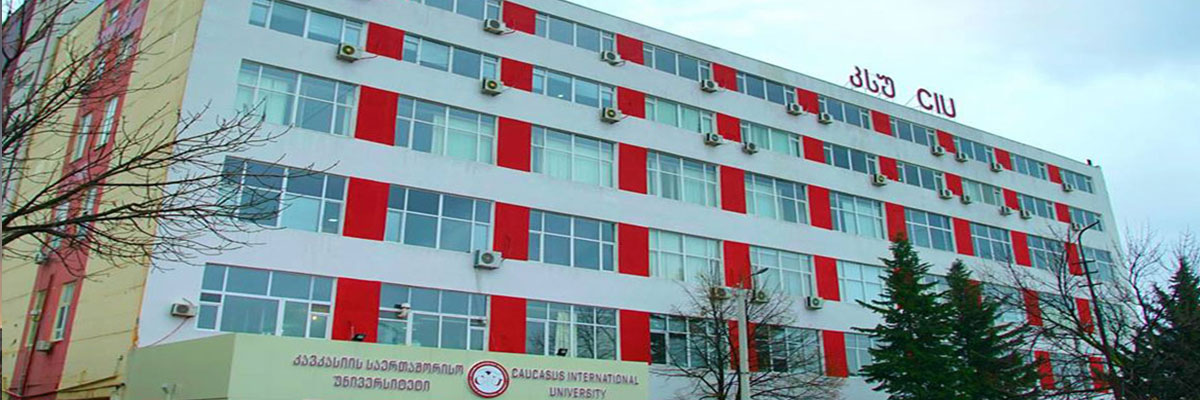
Located in Tbilisi, Caucasus International University (CIU) is one of the largest private universities in Georgia, known for its academic innovation and advanced medical facilities.
It offers programs in English, Georgian, and Russian and is a preferred choice for international students thanks to its modern labs, simulation rooms, and training centers.
Key programs: Medicine, Dentistry, IT, Political Science & International Relations, Computer Science, Engineering. Annual Tuition Fees:
- Medicine: $6,000 (6 years)
- Dentistry: $5,000 (5 years)
- IT: $3,500 (4 years)
- MA in Global Policy & Security Studies: $3,000 (2 years)
Ilia State University (ISU)

Founded in 2006 in Tbilisi, Ilia State University (ISU) is a top public university in Georgia, enrolling over 30,000 students. It emphasizes research-driven education and is ranked #1 locally by Times Higher Education.
ISU offers a wide range of English-taught undergraduate and graduate programs, making it a great choice for international students.
Key programs: Medicine, Business Administration, Computer Engineering, Electrical & Electronic Engineering, Civil Engineering, Public Health, Applied Genetics. Annual Tuition Fees:
- Bachelor of Medicine: $6,200 (6 years)
- Bachelor of Business Administration: $3,500 (4 years)
- Bachelor of Computer Engineering: $5,000 (4 years)
- Master of Business Administration: $4,000 (2 years)
- Master of Public Health: $3,200 (2 years)
How to Apply to Medical Universities in Georgia
To apply to a medical university in Georgia, follow these essential steps:
Choose the right university and program
– Based on your goals, interests, and financial budget.Prepare the required documents, which typically include:
- A copy of your passport
- Translated and notarized high school diploma
- Proof of English proficiency (if available)
- Personal photographs
Submit your application
– Either directly through the university’s official website or via an authorized educational representative like The Way.Receive your preliminary acceptance letter after your documents are reviewed.
Apply for a student visa
– Once accepted, you can begin the process to obtain your Georgian student visa.- Prepare for travel and university enrollment.
The team at The Way will support you through every step to ensure a smooth and professional application process.
Why Study Medicine in Georgia?
Studying medicine in Georgia is an ideal choice for international students—especially from the Arab world—thanks to its affordable tuition fees, globally recognized universities, and safe, high-quality academic environment that supports aspiring medical professionals. Here’s why Georgia stands out:
Affordable Tuition Fees
Medical universities in Georgia offer significantly lower tuition compared to institutions in Western Europe or the US. This makes Georgia a cost-effective option for students seeking high-quality education without overwhelming financial burdens.
International Recognition
Many Georgian medical universities are recognized by reputable global bodies such as:
- World Health Organization (WHO)
- National Medical Commission (NMC) – India
- International Medical Education Directory (IMED)
This enables graduates to pursue medical careers or postgraduate studies in numerous countries worldwide.
English-Taught Medical Programs
Most medical programs in Georgia are taught entirely in English, removing language barriers and allowing international students to engage with the curriculum from day one.
Low Cost of Living
Compared to other European destinations, living in Georgia is budget-friendly. Rent, food, transportation, and daily expenses are reasonably priced, allowing students to focus on their studies without financial stress.
Safe & Welcoming Environment
Georgia ranks high on global safety indexes, and its people are known for being friendly and welcoming. The country offers a stable, student-friendly environment that helps international students integrate comfortably into society.
European-Standard Medical Education
Medical universities in Georgia follow European academic standards, offering a combination of theoretical knowledge and practical training, with modern curricula that meet global expectations.
Real Clinical Training Opportunities
Students gain hands-on experience through clinical internships in teaching hospitals and advanced healthcare centers, building practical skills that enhance future career prospects.
Cultural & Linguistic Diversity
Studying in Georgia isn’t just about academics—it’s a cultural journey. The country’s diverse population provides a rich cultural exchange, giving students a broader worldview and enriching their personal and professional growth.
At The Way, we help make your dream of studying medicine in Georgia a reality. From application preparation to document submission and step-by-step support, we ensure a smooth admission process—without delays or complications.
Contact us today and let our advisors guide you toward a bright future in medicine.
Top Tips for New Students in Georgia
Moving to Georgia for your studies can be one of the most exciting experiences of your life.
However, it’s important to be aware of a few key details that will help you adapt quickly and avoid common challenges early on.
Whether you’re studying medicine or any other field, being mentally and practically prepared from day one will set you up for success.
Here are some of the most helpful tips we recommend to all new students:
- Learn a few basic Georgian words to help with daily communication.
- Try to live close to your university to save on time and transportation costs.
- Connect with Arab students already in Georgia to benefit from their insights and first-hand experiences.
Join student groups on social media to get support and answers to common questions.
Frequently Asked Questions
Is studying medicine in Georgia a strong option?
Yes. Georgia is a top destination for medical studies thanks to its globally recognized universities like Tbilisi State Medical University and its high-quality programs that align with international standards.
Are Georgian universities recognized in Egypt?
Yes. Ilia State University is one of the leading Georgian universities recognized by the Egyptian authorities and holds a strong reputation among higher education institutions in Georgia.